Artificial intelligence and workplace safety: between hype, reality and sustainability
Between enthusiasm and skepticism, AI offers predictive and smart monitoring tools to reduce injuries. Binoocle’s Koone as an example for critical environments.
In this Ingenio article, Fabio Sireus of Harpaceas asks how much of artificial intelligence is real after years of very fast growth. His answer: the projects that deliver measurable value will survive, and workplace safety is one of the areas where results are already visible.
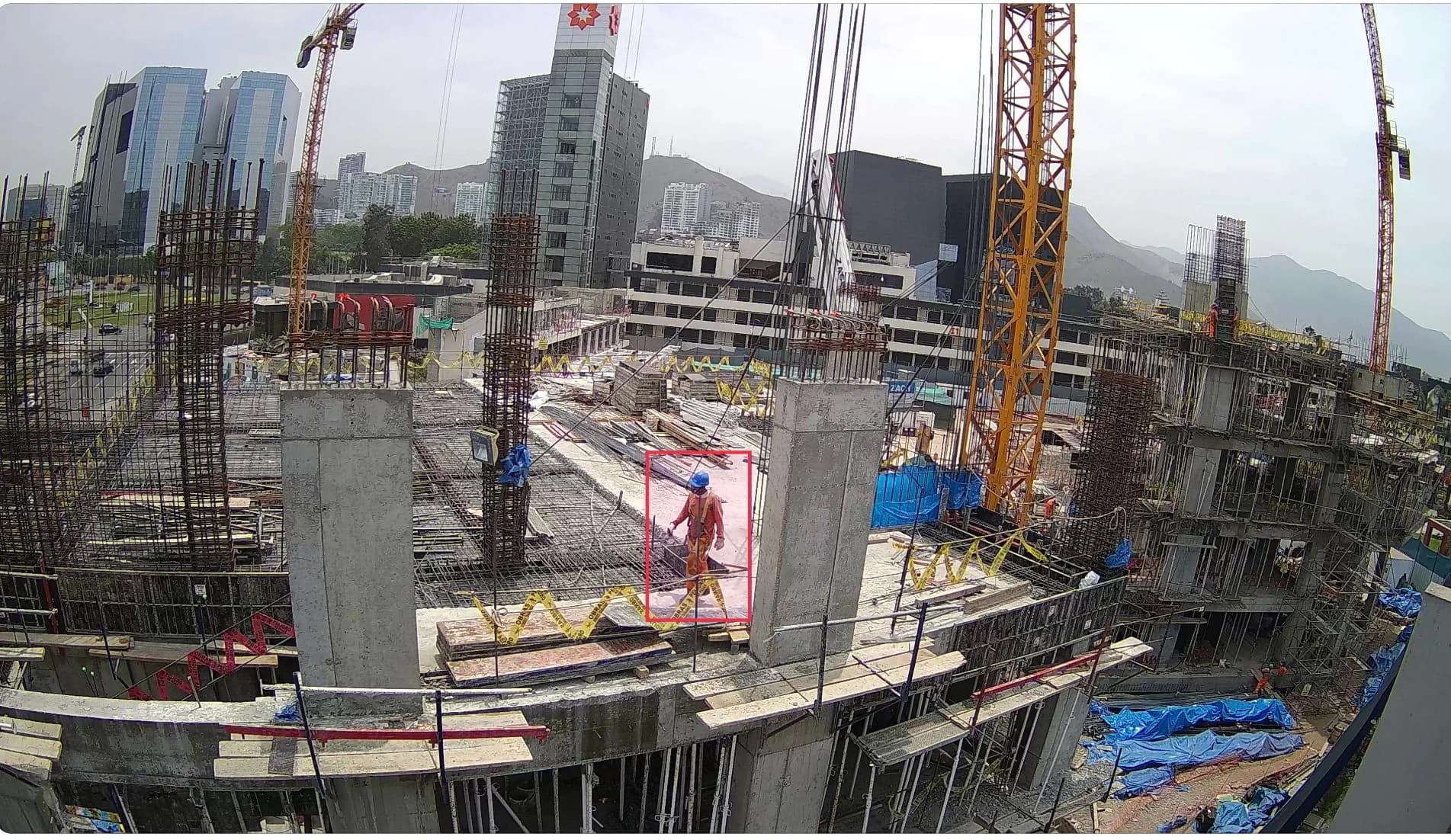
Checklists and static training fall short against sudden or complex hazards: isolated areas that are hard to supervise, slow response times, little historical data, overloaded supervisors. AI instead enables continuous real-time monitoring, predictive risk analysis, automatic detection of unsafe behavior and immediate alerts.
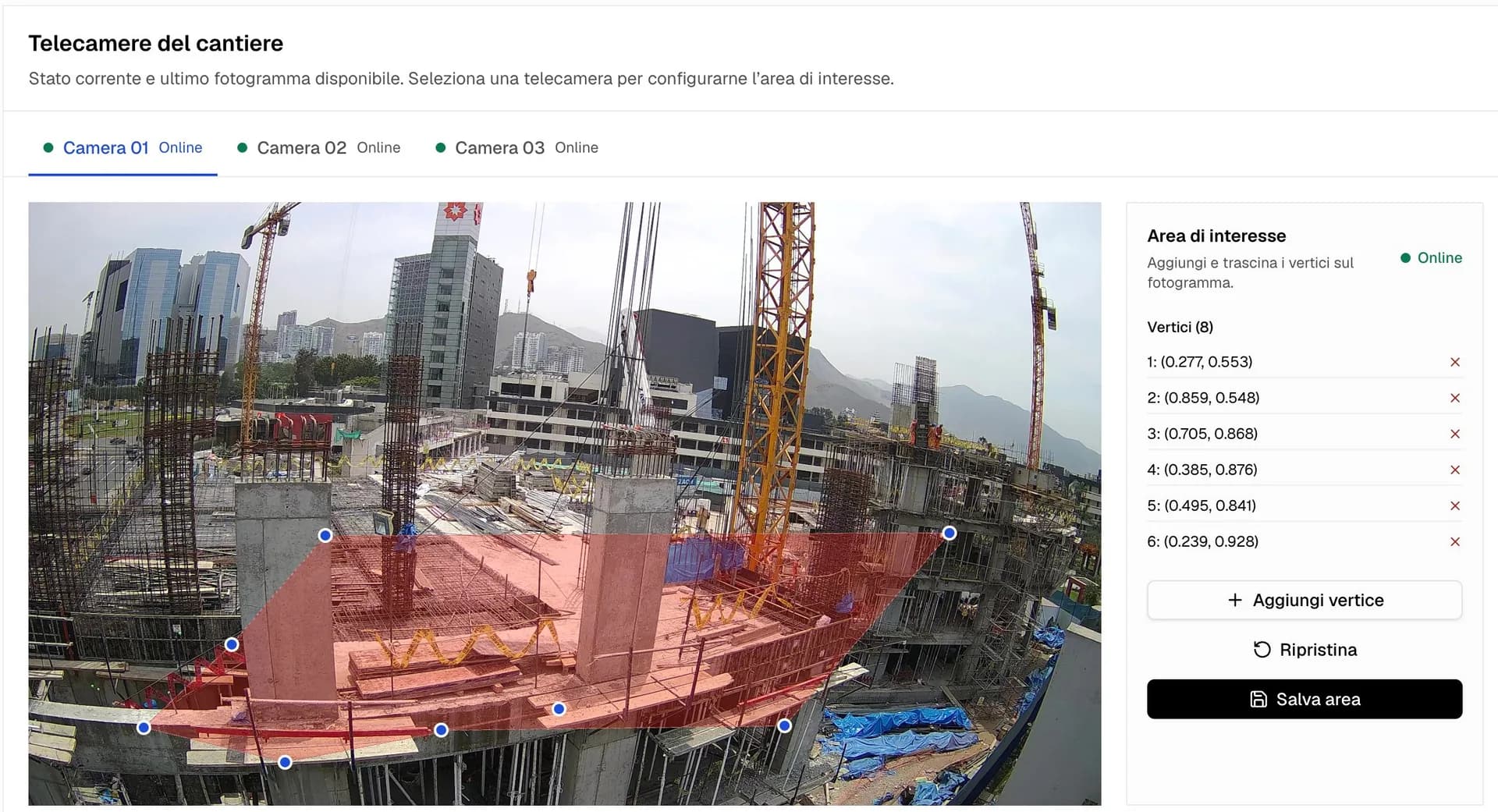
As a concrete example the article cites Binoocle’s Koone: AI cameras that recognize people and anomalies, real-time processing and web and mobile interfaces for operators and managers, to flag danger and act sooner. A solution brought to Italian construction sites together with Harpaceas.
The piece also addresses doubts about energy use and jobs: AI consumes energy, but can save a lot elsewhere (for example by cutting staff travel), and in safety it remains a tool that serves people, who keep the strategic decisions.